Breast Cancer
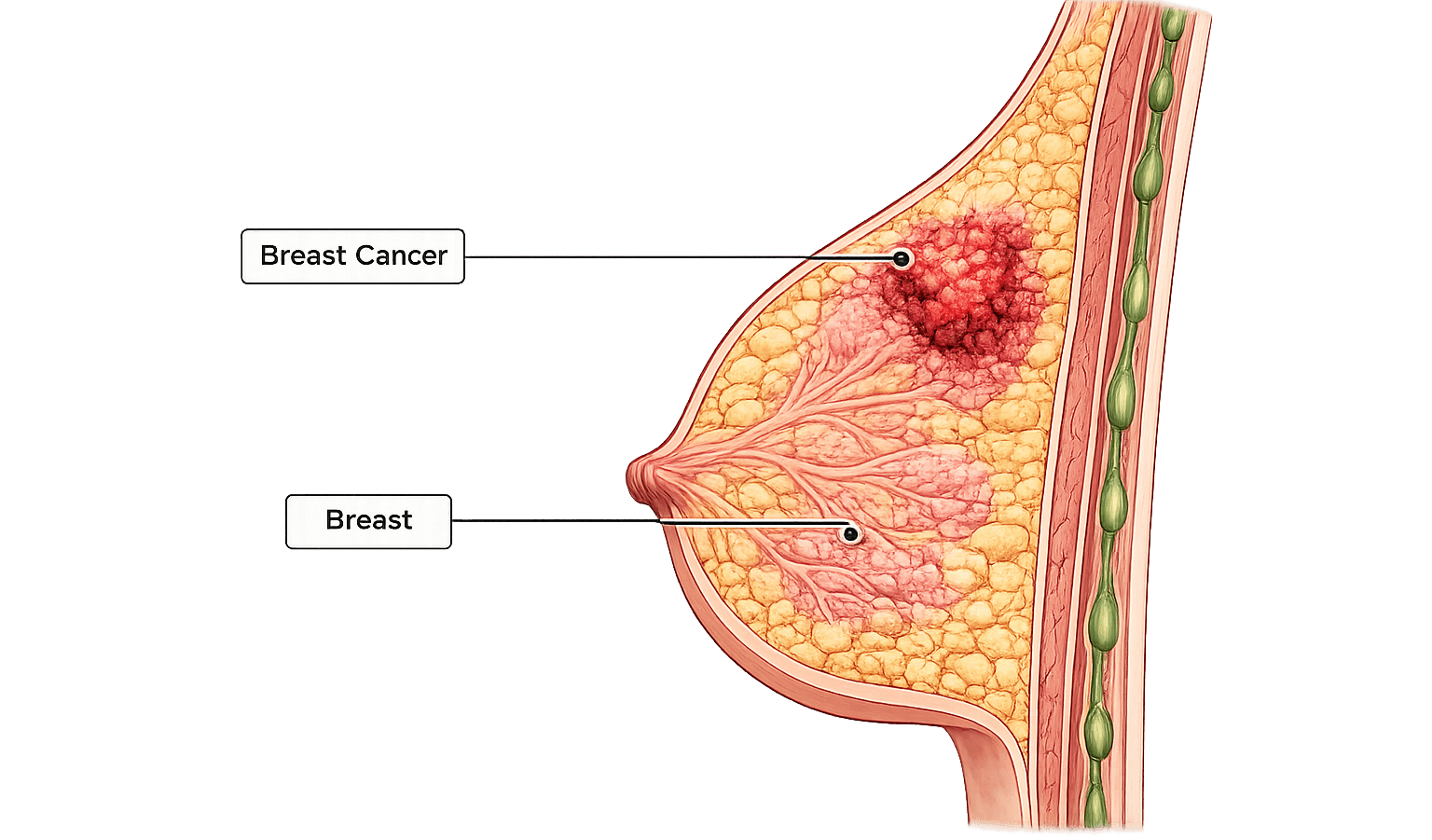
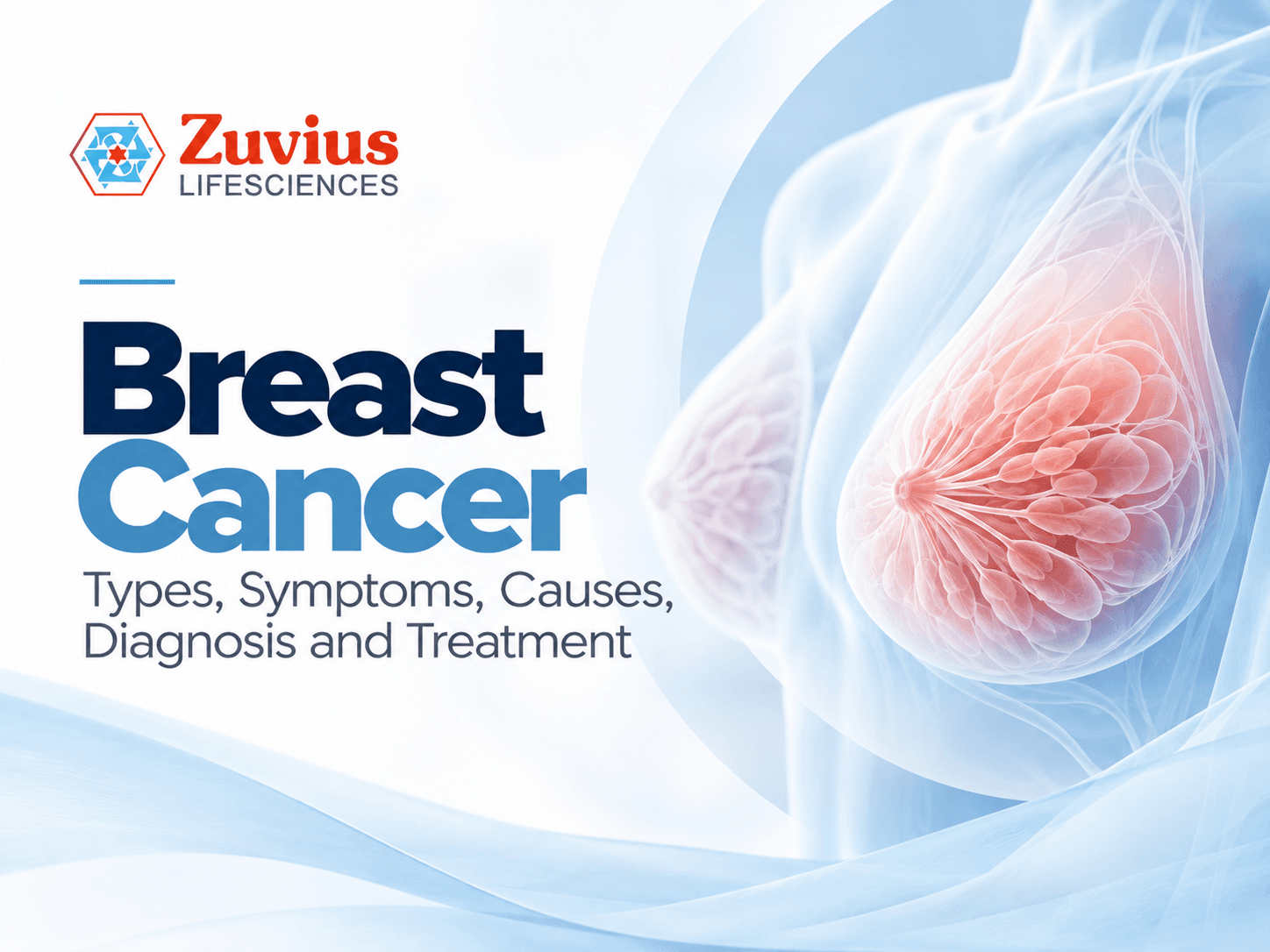
Breasts contain milk-producing glands called lobules and ducts that carry milk to the nipple. Along with fatty and connective tissues, these structures support breastfeeding and play an important role in the reproductive system.
Overview
Breast cancer develops when cells in the breast change and multiply uncontrollably, forming a tumor. It is one of the most common cancers affecting women, although men can also develop the disease. Breast cancer may begin in different parts of the breast, including the milk ducts or milk-producing lobules, and can vary in how it grows and spreads.
Healthcare providers classify breast cancer into different types and subtypes to guide treatment decisions. Some breast cancers remain confined to their original location, while others can spread into nearby tissues or other parts of the body. Early detection through screening and timely treatment can help improve outcomes and increase treatment options.
Risk Factors
Factors We Cannot Control

Advancing Age
The risk of developing breast cancer increases as you get older. Most cases are diagnosed in individuals over the age of 50.

Genetic Mutations
Inherited mutations in genes like BRCA1 and BRCA2 significantly increase the risk. These are responsible for about 5-10% of all breast cancer cases.

Family History
Having a first-degree relative—mother, sister, or daughter—who has been diagnosed with breast cancer increases your own risk profile.

Reproductive History
Starting menstruation before age 12 or entering menopause after 55 exposes breast tissue to hormones for a longer duration.

Dense Breast Tissue
Women with dense breast tissue have more glandular and fibrous tissue than fatty tissue, which can also make tumors harder to detect on mammograms.
Lifestyle & Health Factors

Smoking
Tobacco use has been linked to an increased risk of breast cancer, particularly in women who began smoking before their first pregnancy.

Alcohol Consumption
Regular alcohol consumption is linked to a dose-dependent increase in risk. Even small amounts can potentially elevate estrogen levels.

Overweight & Obesity
Being overweight, especially after menopause, increases risk as fat tissue produces extra estrogen, which can fuel cancer cell growth.

Physical Inactivity
Leading a sedentary lifestyle is associated with a higher risk. Regular exercise helps regulate hormones and improves immune function.

Unhealthy Diet
A diet high in processed meats, saturated fats, and sugars, while low in fruits and vegetables, may contribute to overall systemic inflammation.
Symptoms
1. New Lump in the Breast
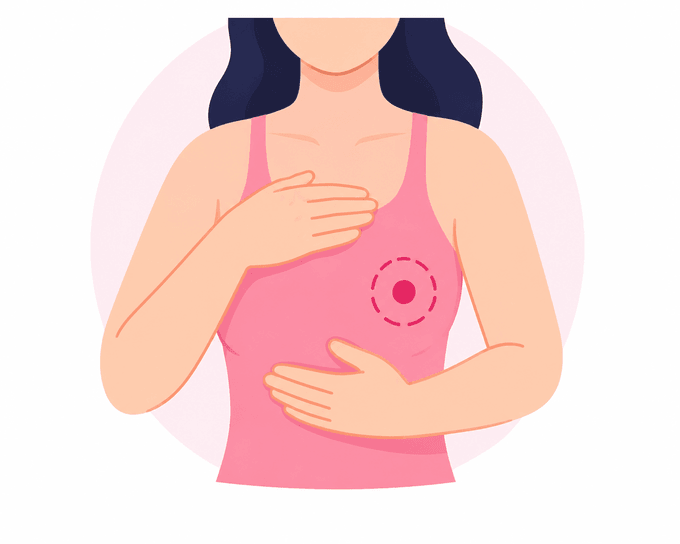
A painless lump or thickening in the breast or underarm area is one of the most common signs of breast cancer.
2. Changes in Breast Size or Shape
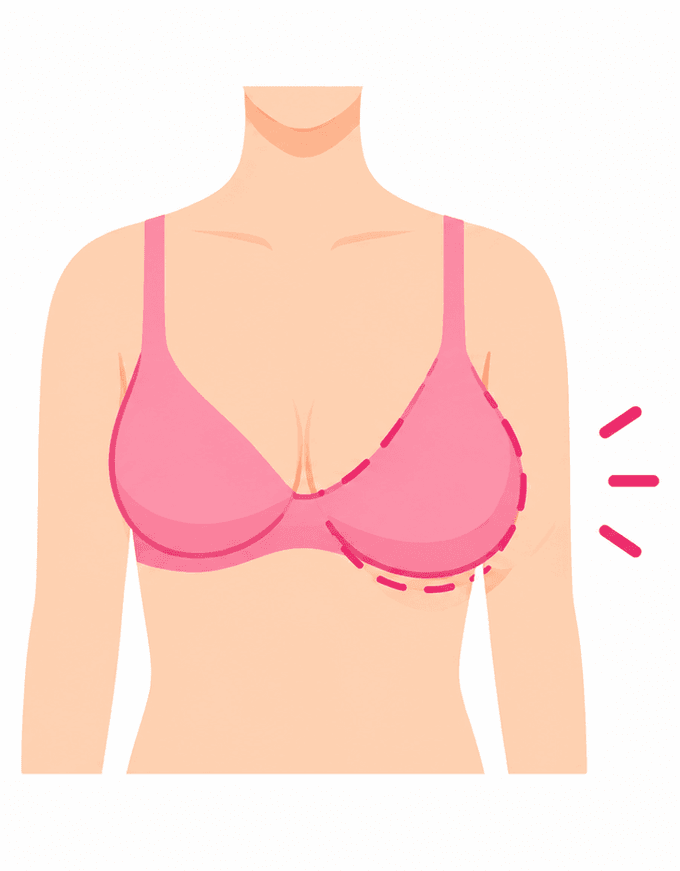
Any unusual change in the appearance, contour, or size of the breast should be evaluated by a healthcare professional.
3. Nipple Discharge
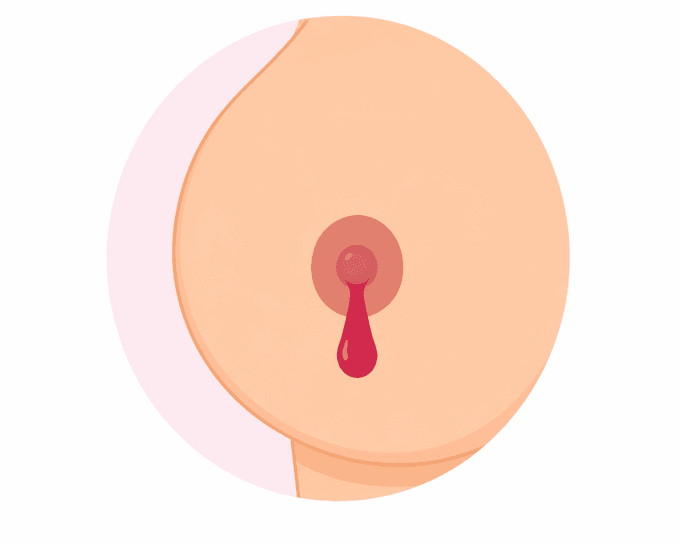
Unexpected nipple discharge, especially if bloody or occurring without squeezing, may require medical attention.
4. Skin Changes
Dimpling, puckering, redness, scaling, or thickening of the breast skin can sometimes indicate underlying breast cancer.
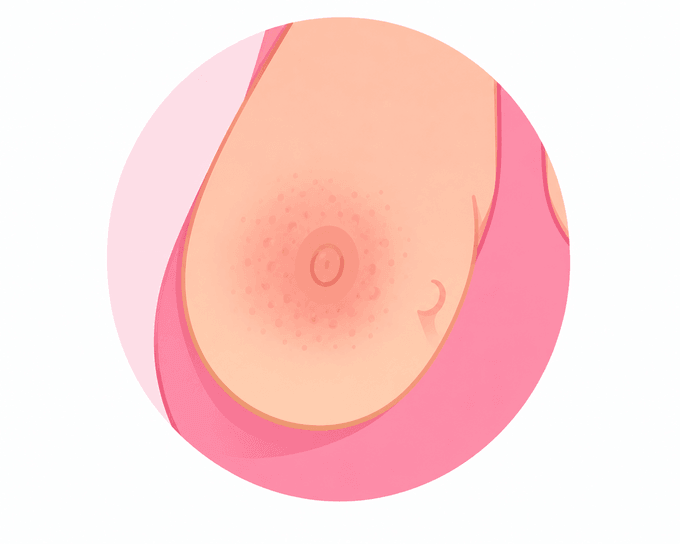
5. Nipple Changes
A nipple turning inward or developing persistent irritation, crusting, or pain should not be ignored.
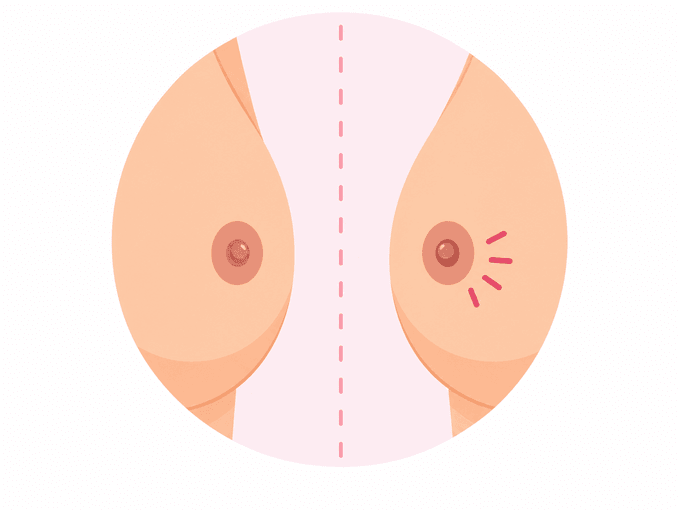
6. Persistent Breast Pain
Although breast pain is often not cancer-related, persistent unexplained discomfort should be assessed by a doctor.
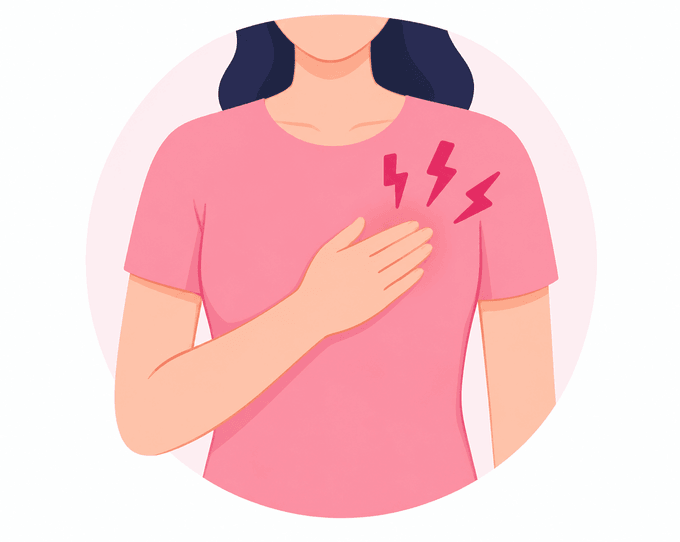
Diagnosis
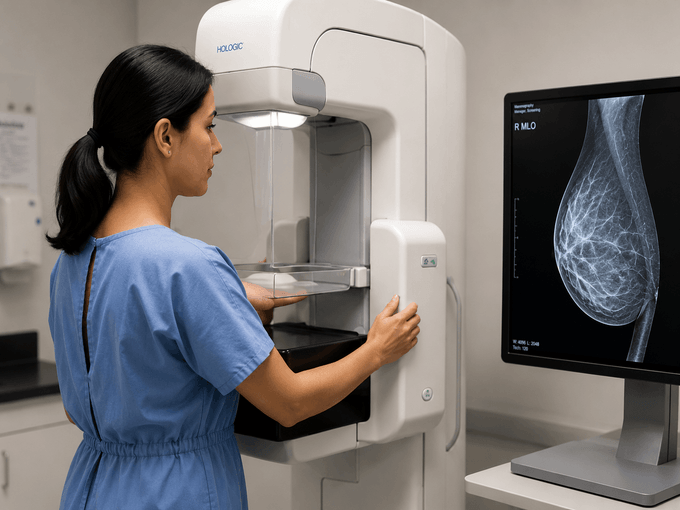
1. Mammogram
An X-ray of the breast that can detect changes or abnormal areas, even before they can be felt.
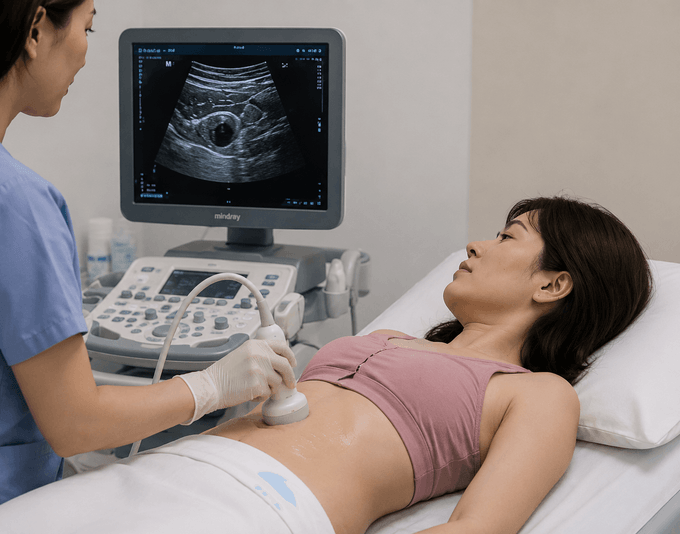
2. Ultrasound
Uses sound waves to create images of the breast. Often used to evaluate lumps found during a physical exam or mammogram.
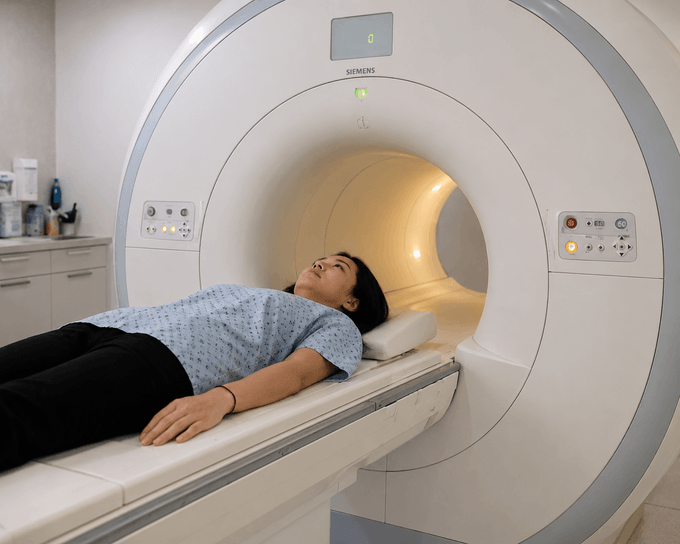
3. MRI (Breast MRI)
A detailed imaging test that uses magnets and radio waves. Recommended for high-risk women or when other tests are unclear.
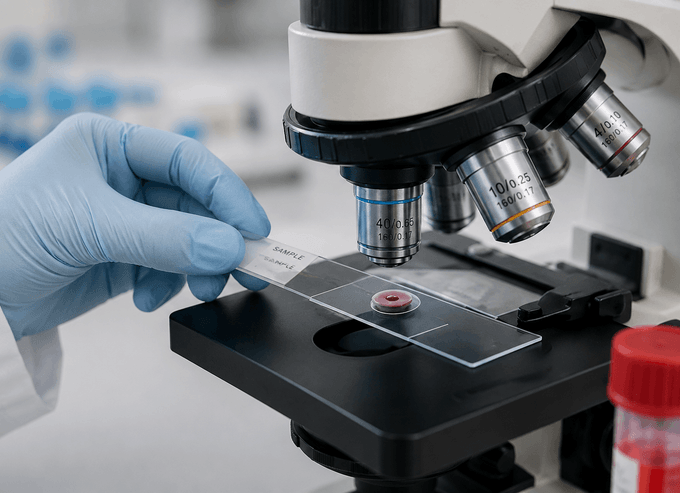
4. Biopsy
A small sample of breast tissue is removed and examined under a microscope to check for cancer cells. This confirms a diagnosis.
5. Clinical Breast Exam
A physical examination of the breasts by a healthcare professional to check for lumps or other changes.

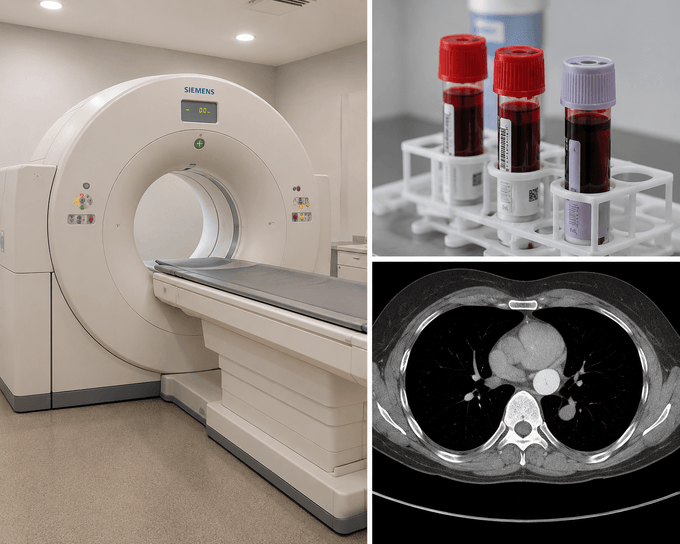
6. Other Tests (if needed)
Tests like PET scan, CT scan, or blood tests may be recommended to understand the extent of cancer in certain cases.
Treatments
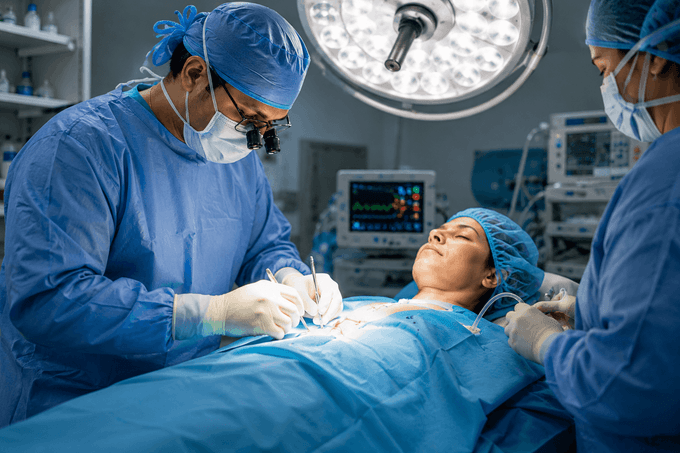
1. Surgery
Removal of the tumor or the entire breast, depending on the stage and type of breast cancer.
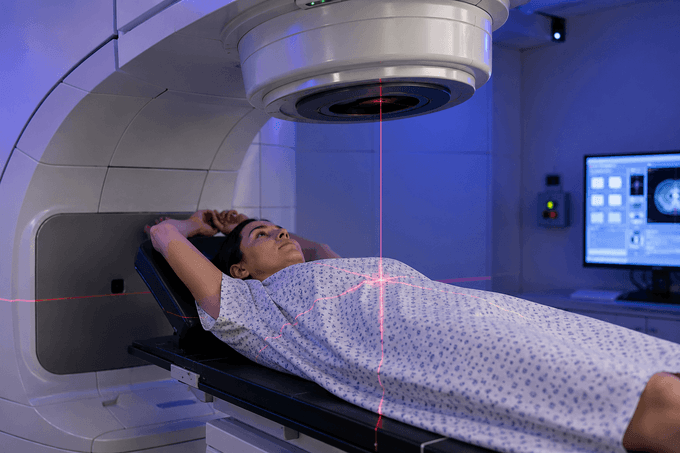
2. Radiation Therapy
High-energy rays are used to kill cancer cells and reduce the risk of cancer returning.
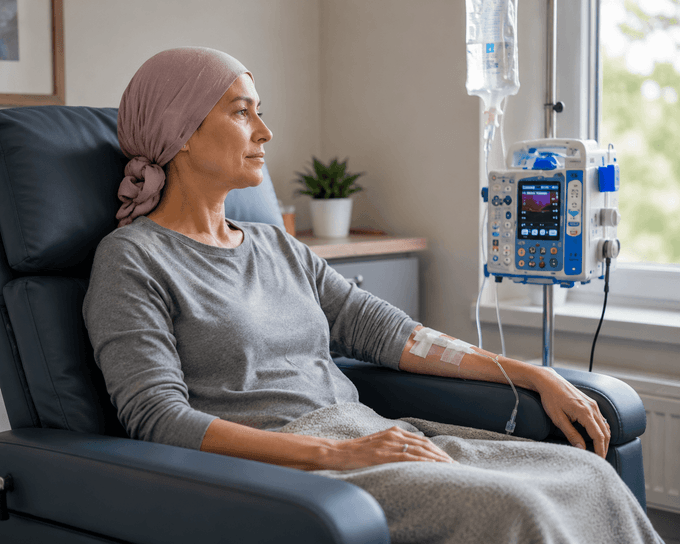
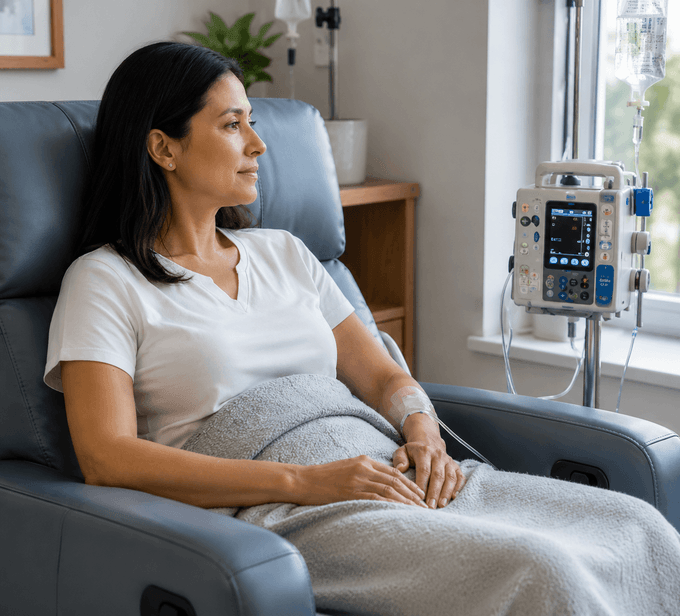
3. Chemotherapy
Medicines that kill fast-growing cancer cells or stop them from growing further.
4. Hormone Therapy
Blocks hormones that fuel certain types of breast cancer or reduces hormone levels.

5. Targeted Therapy
Drugs that target specific molecules in cancer cells to stop their growth with fewer side effects.
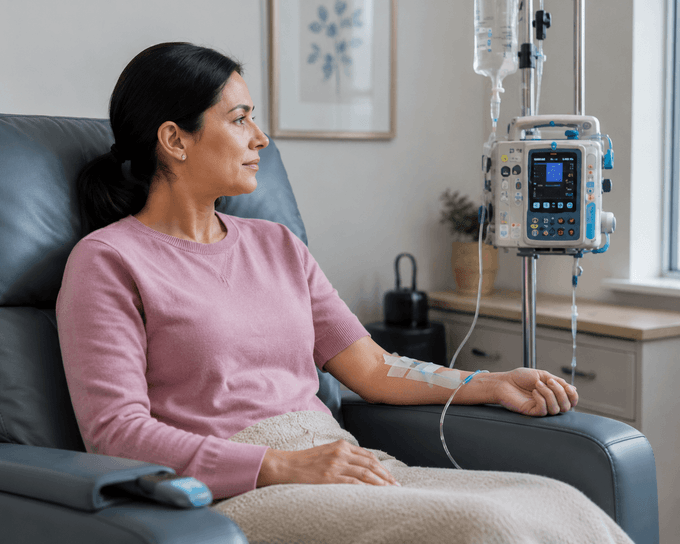
6. Immunotherapy
Helps the immune system recognize and attack cancer cells more effectively.
Articles & Educational Guides
In-depth medical articles, patient perspectives, and treatment guides related to Breast Cancer.
Breast Cancer: Symptoms, Types, Causes, Diagnosis and Treatment
Breast cancer develops when cells in the breast tissue become cancerous and multiply abnormally, forming a tumor. It most commonly begins in the milk ducts or milk-producing glands, called lobules.