Prostate Cancer
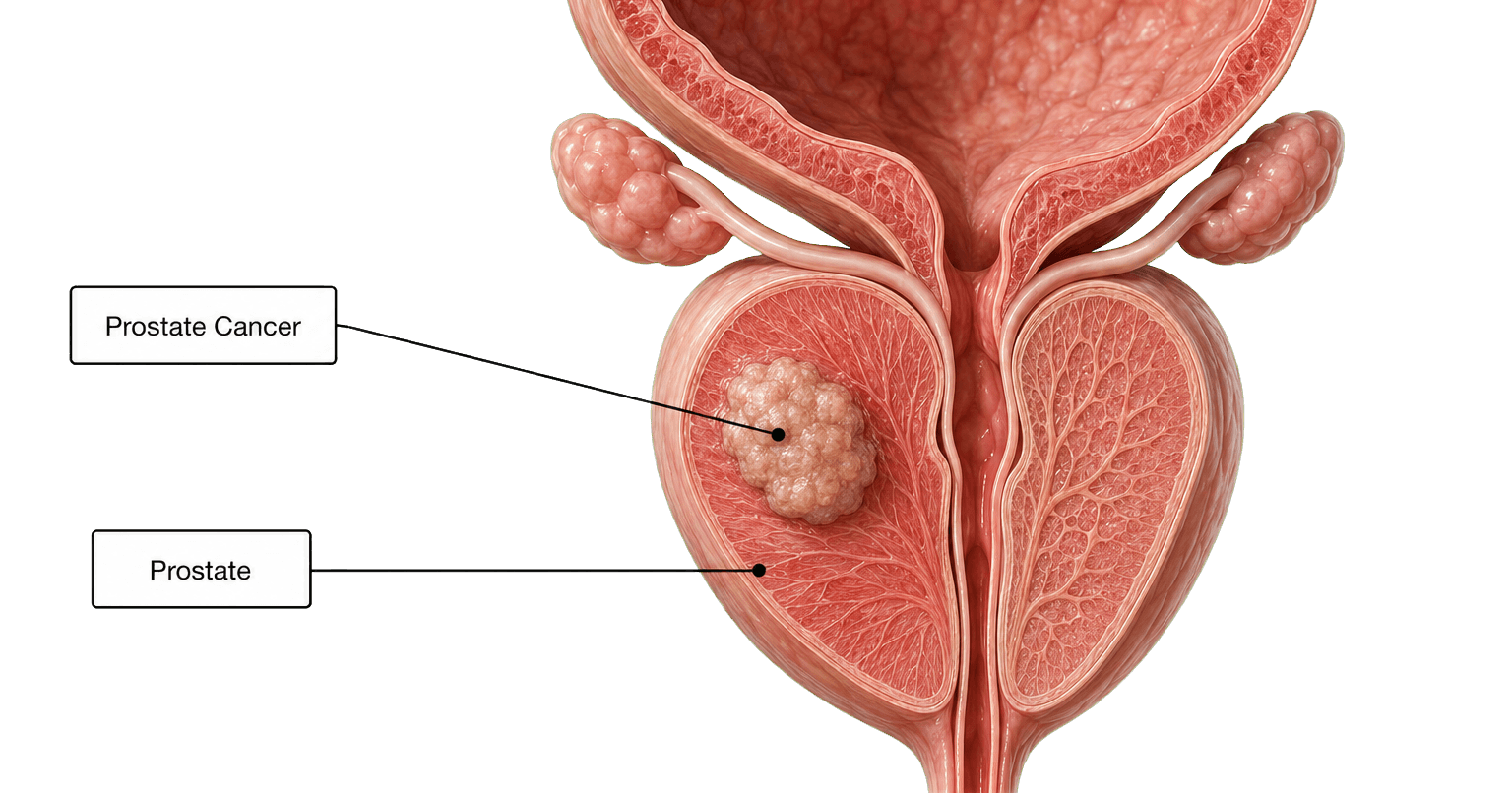
The prostate is a small, firm gland that forms part of the male reproductive system and surrounds a portion of the urethra. It produces fluid that contributes to semen, the substance that carries sperm during ejaculation. The prostate also releases components that help support sperm cells and assist in the movement of semen through the urethra.
Overview
Prostate cancer develops when abnormal cells in the prostate gland grow uncontrollably and form a tumor. Most prostate cancers grow slowly and remain within the prostate for a long time, although some types are more aggressive and can spread quickly to other parts of the body.
Many prostate cancers are found before they spread beyond the prostate, making treatment highly effective in many cases. The choice of treatment depends on how fast the cancer is growing, whether it has spread and a person's overall health. :contentReference[oaicite:1]{index=1}
Risk Factors
Factors We Cannot Control

Older Age
The risk of prostate cancer increases with age, especially after 50 years. Most cases occur in people older than 65.

Family History
Having a close family member with prostate cancer increases the likelihood of developing the disease.

Inherited Gene Mutations
Inherited conditions such as Lynch syndrome and BRCA1 or BRCA2 gene mutations can increase prostate cancer risk.
Lifestyle & Health Factors

Smoking
Some studies suggest smoking may increase the risk of developing prostate cancer.

Obesity
Having obesity has been linked to an increased risk in some studies.

Prostatitis
Inflammation of the prostate has been identified as a possible risk factor, although evidence is mixed.
Symptoms
1. Frequent Urination
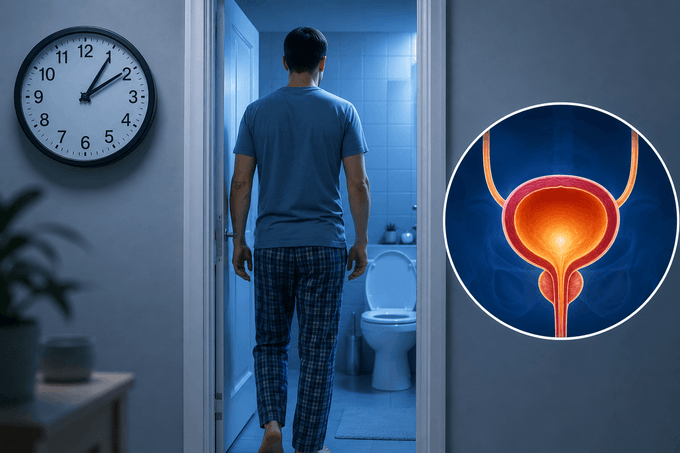
A frequent or urgent need to urinate, especially during the night, may occur.
2. Weak Urine Flow
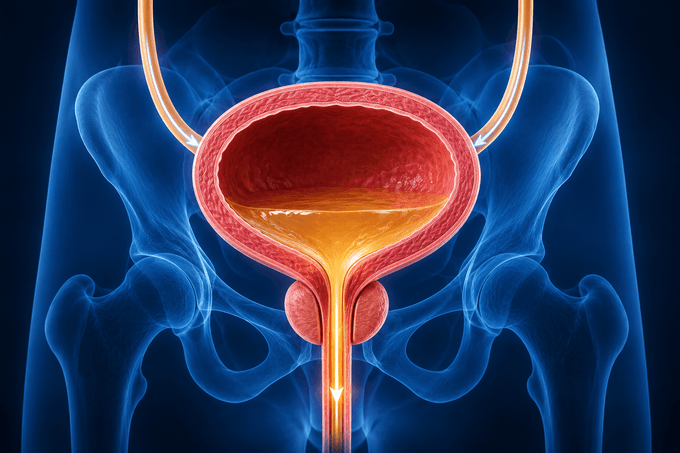
Urine flow may become weak or start and stop during urination.
3. Pain or Burning While Urinating
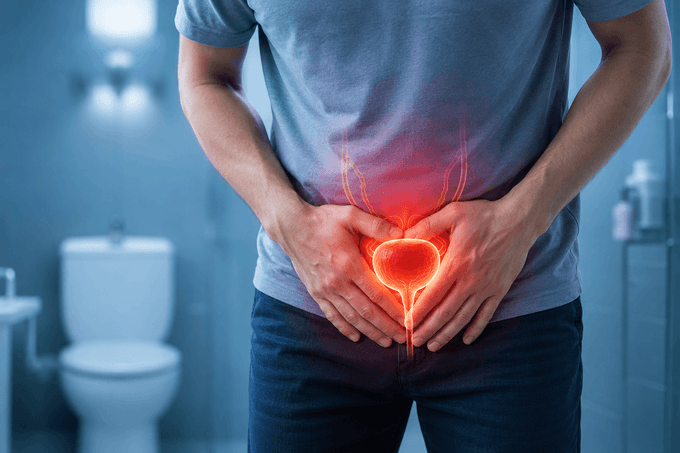
Some people experience discomfort or burning during urination.
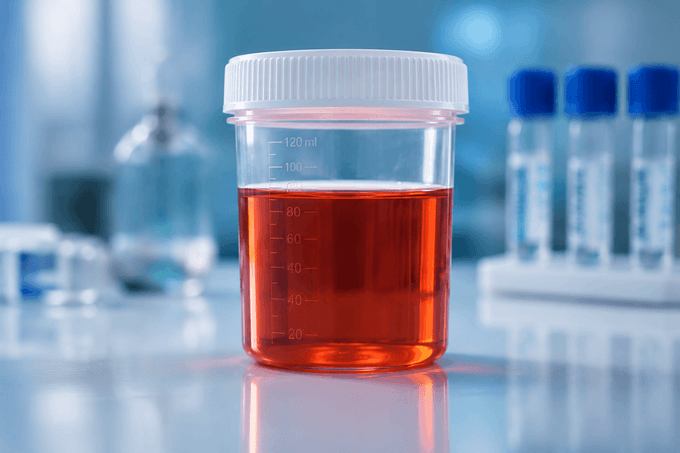
4. Blood in Urine or Semen
Blood may appear in urine or semen and should be evaluated promptly.
5. Painful Ejaculation or Erectile Dysfunction
Pain during ejaculation or difficulty getting or maintaining an erection may occur.

6. Pain in the Back, Hip or Chest
Pain in the lower back, hips or chest can occur if the cancer has spread.

Diagnosis
1. Digital Rectal Examination
A healthcare provider examines the prostate through the rectum to check for hard areas or lumps.

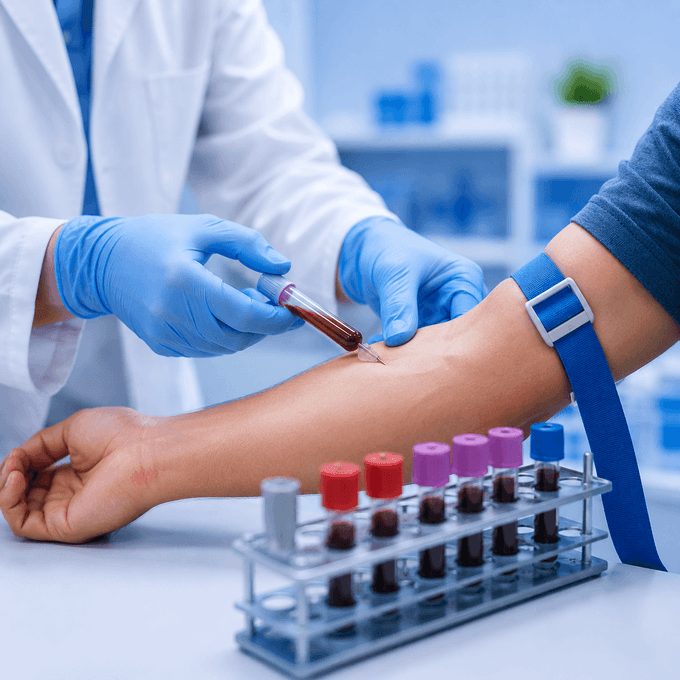
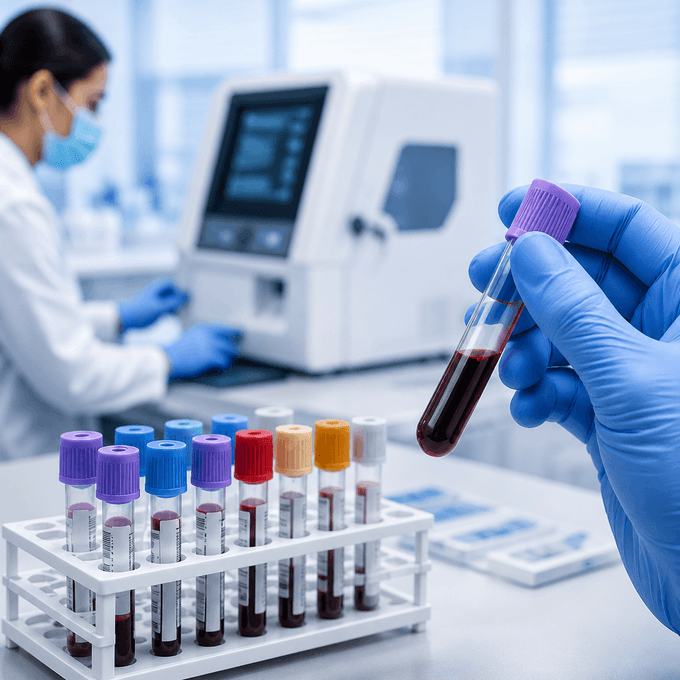
2. PSA Blood Test
A prostate-specific antigen (PSA) blood test measures PSA levels, which may be elevated in prostate cancer.
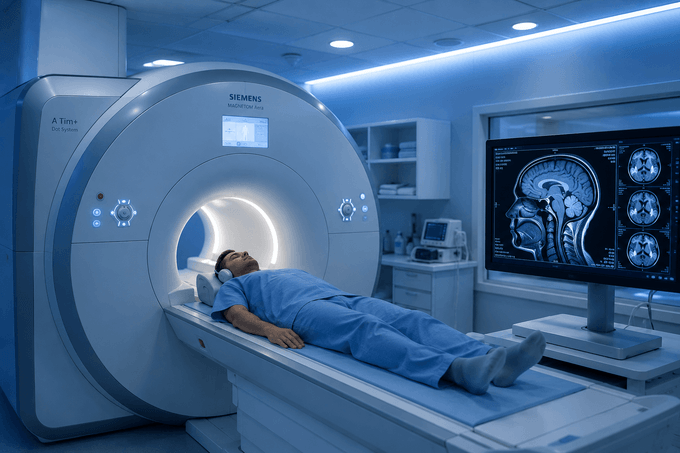
3. MRI or Ultrasound
MRI or transrectal ultrasound helps identify suspicious areas within the prostate.
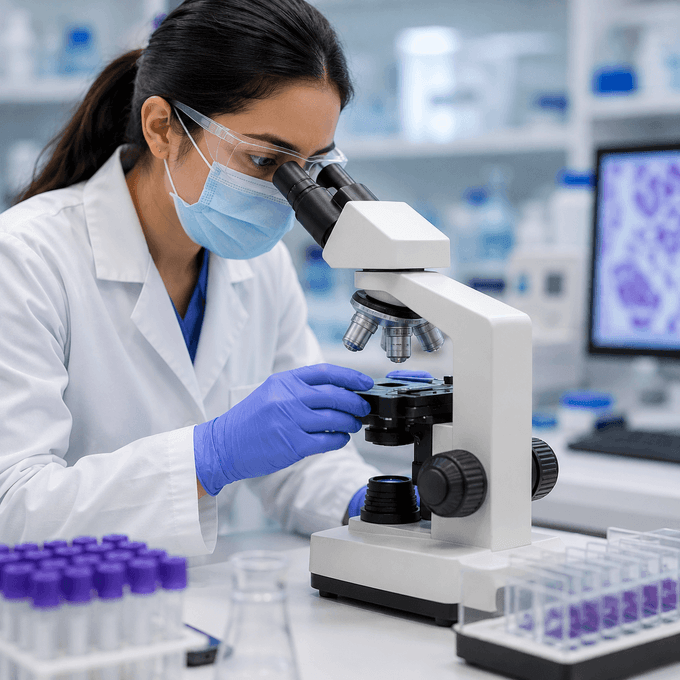
4. Biopsy
A needle biopsy removes tissue from the prostate to confirm the diagnosis and determine how aggressive the cancer is.
5. Genetic Testing
Cancer cells may be tested for genetic changes that can help guide treatment decisions.
Treatments
1. Active Surveillance
Slow-growing prostate cancers may be closely monitored with regular tests before starting treatment.

2. Surgery
Radical prostatectomy removes the prostate gland and may cure cancer that has not spread beyond it.

3. Hormone Therapy
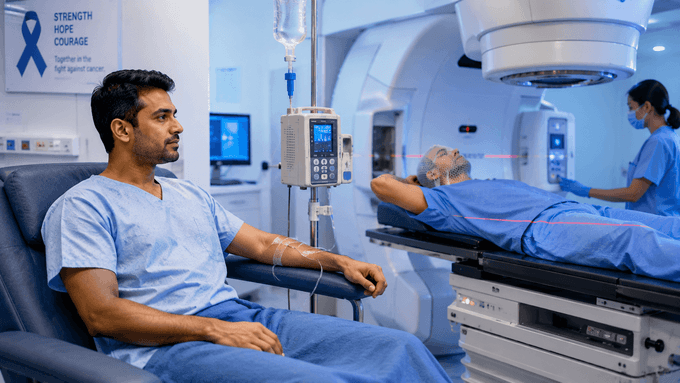
Hormone therapy lowers or blocks testosterone, which helps slow the growth of prostate cancer.

4. Chemotherapy
Chemotherapy uses medicines to destroy cancer cells, particularly in advanced prostate cancer.
5. Targeted Therapy or Immunotherapy
Some advanced prostate cancers may be treated with targeted therapy or immunotherapy based on their genetic characteristics.