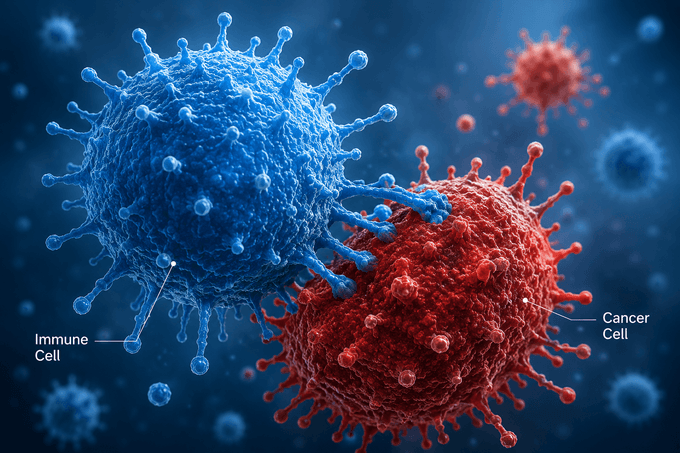
Stomach Cancer
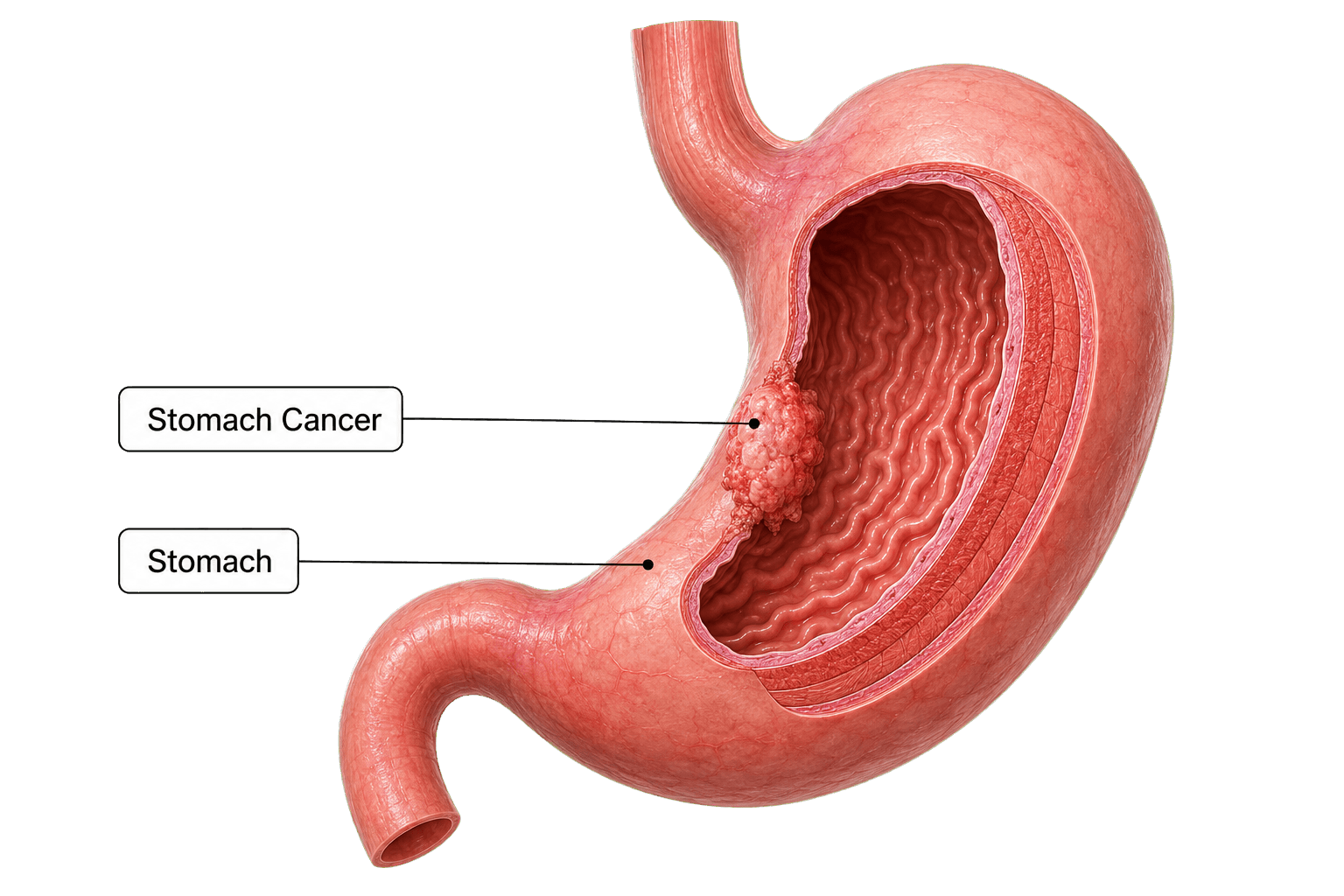
The stomach is a muscular organ in the digestive system that stores food, begins digestion and helps break down nutrients before they move into the small intestine. It works with digestive acids and enzymes to support normal digestion.
Overview
Stomach cancer, also called gastric cancer, develops when abnormal cells grow uncontrollably in the stomach. Most stomach cancers begin in the stomach's inner lining and gradually grow deeper into the stomach wall over time. While it is common in many parts of the world, it is less frequently diagnosed in the United States. :contentReference[oaicite:0]{index=0}
As stomach cancer progresses, it may spread into nearby organs or distant parts of the body if left untreated. Because early-stage disease often causes few or no symptoms, many cases are diagnosed after the cancer has advanced, making early detection an important part of improving treatment outcomes. :contentReference[oaicite:1]{index=1}
Risk Factors
Factors We Cannot Control

Older Age
Most people diagnosed with stomach cancer are 65 years of age or older.

Male Sex
Men are more likely than women to develop stomach cancer.

Family History
Having close relatives with stomach cancer increases the likelihood of developing the disease.

Helicobacter pylori Infection
Long-term infection with Helicobacter pylori (H. pylori) is a major risk factor for stomach cancer.
Lifestyle & Health Factors

Smoking or Tobacco Use
Smoking, vaping or chewing tobacco increases the risk of stomach cancer.

Heavy Alcohol Consumption
Drinking excessive amounts of alcohol may increase the risk of stomach cancer.

Diet High in Salty or Smoked Foods
Regularly eating salty, smoked or pickled foods while consuming few fruits and vegetables increases risk.

Obesity
Being overweight or obese is associated with a greater chance of developing stomach cancer.
Symptoms
1. Unexplained Weight Loss
Losing weight without trying is one of the most common symptoms of stomach cancer.

2. Stomach Pain
Persistent pain or discomfort, especially above the belly button, may occur.

3. Loss of Appetite
Many people notice reduced appetite or feel full after eating only a small amount.

4. Nausea and Vomiting
Persistent nausea or vomiting can occur as the disease progresses.

5. Heartburn or Indigestion
Frequent heartburn, indigestion or bloating after meals may develop.

6. Black Stool or Vomiting Blood
Bleeding from the stomach may cause black stools or blood in vomit.

Diagnosis
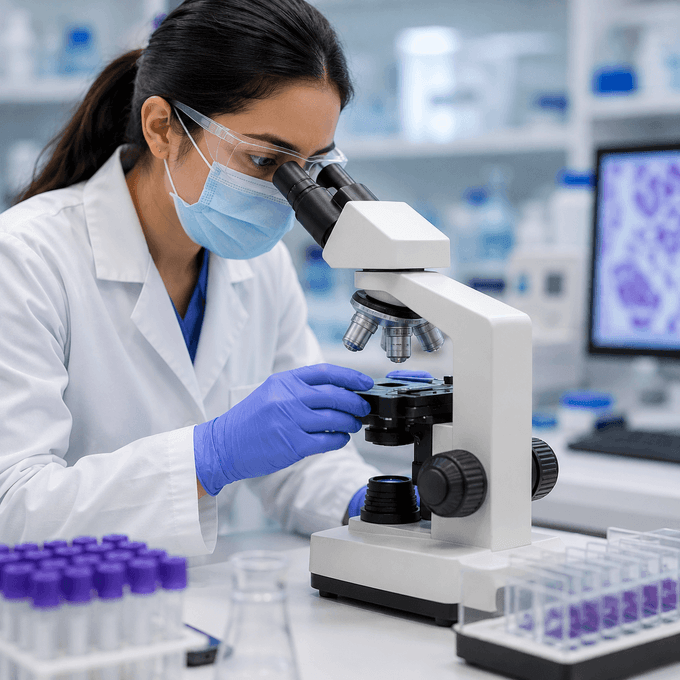
1. Upper Endoscopy
An endoscope is used to examine the stomach lining and obtain tissue samples if needed.

2. Biopsy
A biopsy confirms whether abnormal stomach tissue contains cancer cells.
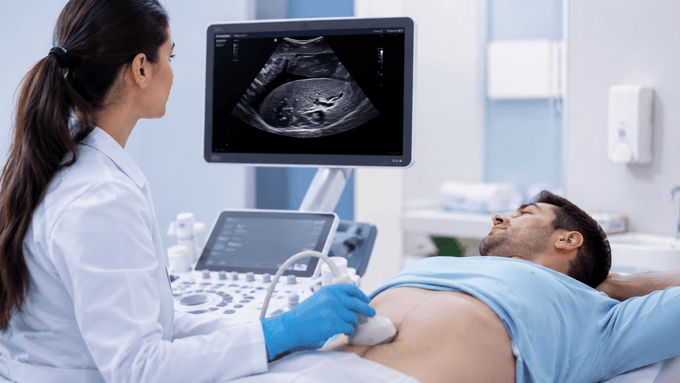
3. Endoscopic Ultrasound
This test helps determine how deeply the cancer has grown into the stomach wall.
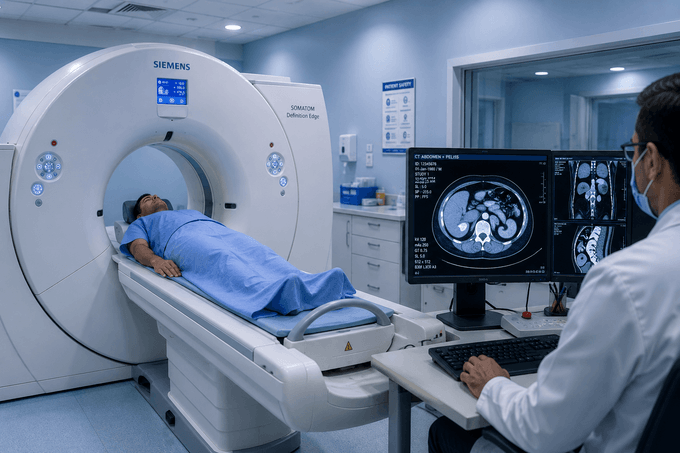
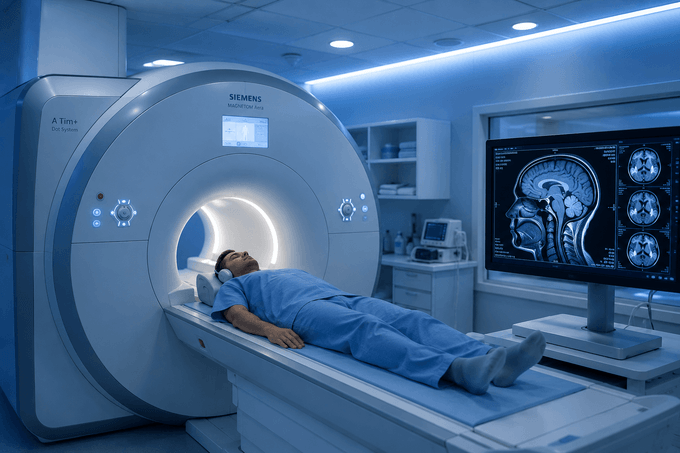
4. CT Scan or MRI
Imaging tests help identify the tumor and determine whether it has spread.
5. PET Scan
PET scans may be used to detect cancer spread throughout the body.
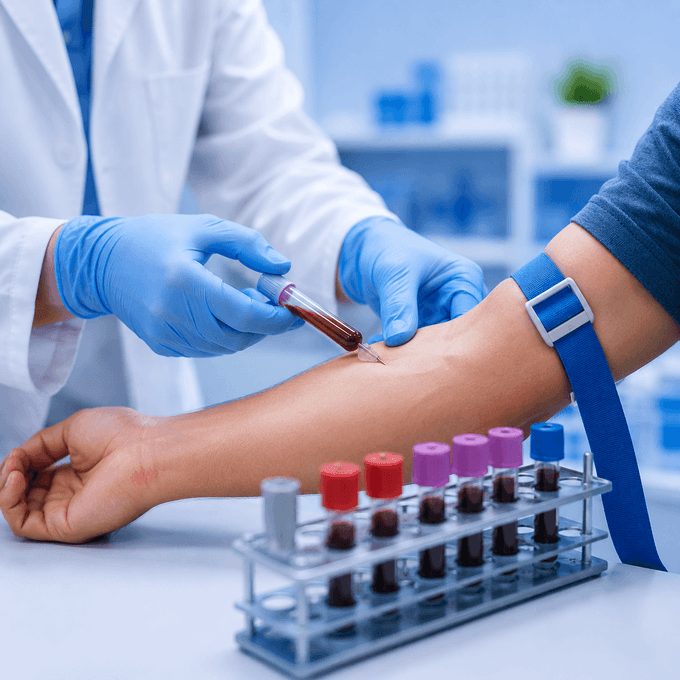
6. Blood Tests
Blood tests help evaluate overall health and determine whether other organs may be affected.
Treatments
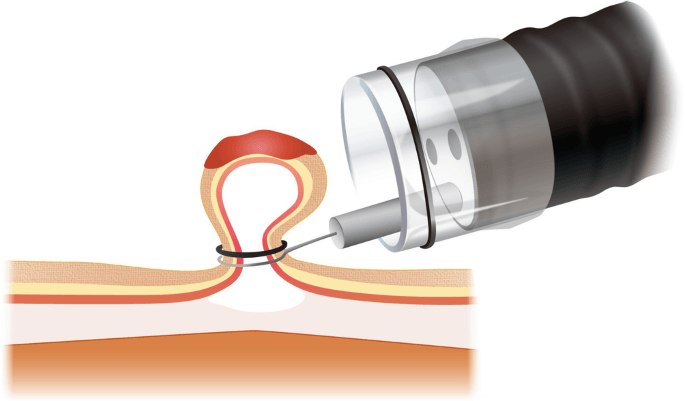
1. Endoscopic Resection
Very early stomach cancers may be removed through an endoscope without traditional surgery.
2. Gastrectomy
Surgery may remove part or all of the stomach depending on the cancer's extent.

3. Chemotherapy
Chemotherapy helps shrink tumors before surgery or destroy remaining cancer cells afterward.

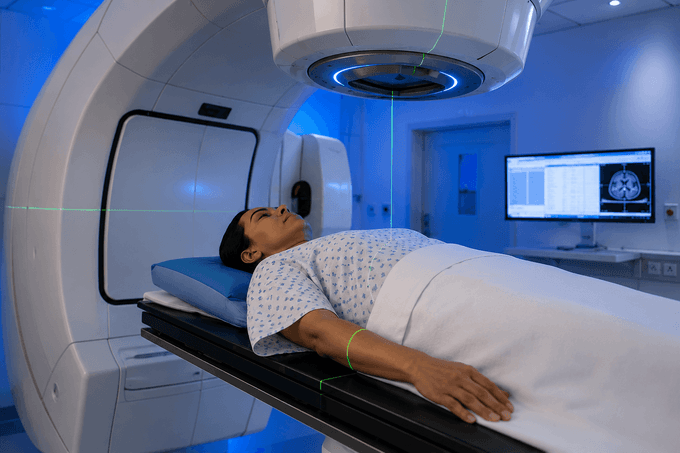
4. Radiation Therapy
Radiation uses high-energy beams to destroy cancer cells and may be combined with chemotherapy.
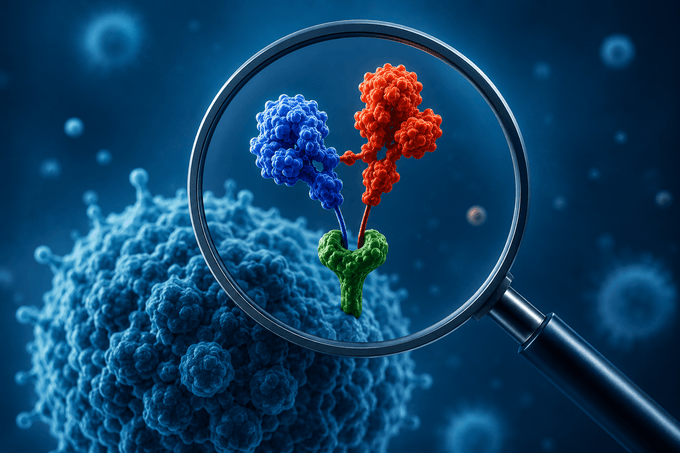
5. Targeted Therapy
Targeted medicines attack specific features of cancer cells while limiting damage to healthy tissue.
6. Immunotherapy
Immunotherapy helps the body's immune system recognize and destroy stomach cancer cells in selected cases.